
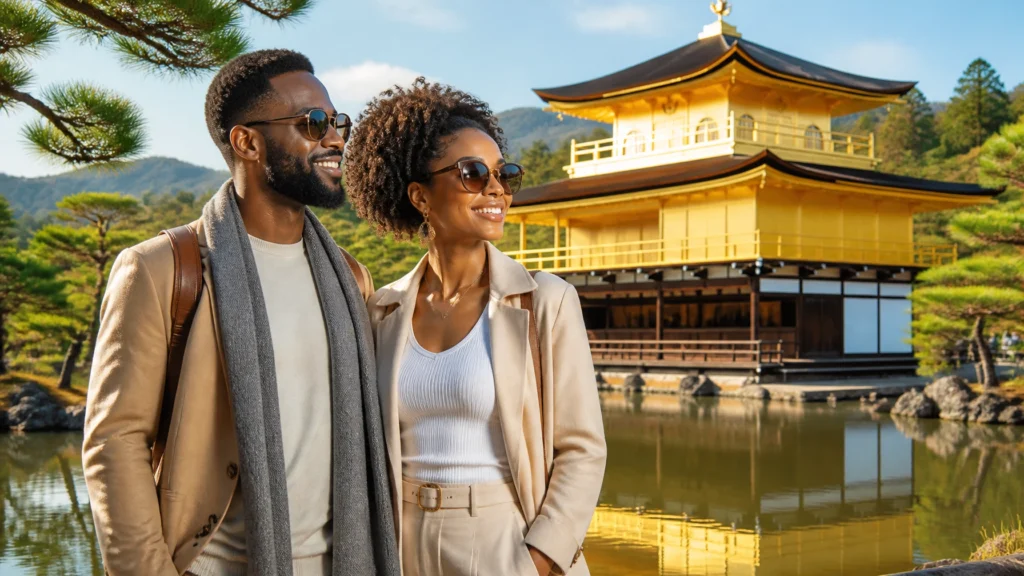
Sometimes the trip you need is not the loud one, the packed one, or the one built around checking off landmarks. Sometimes you need a place that helps your mind loosen its grip a little. A place where the air feels softer, your shoulders finally drop, and you remember what it feels like to move through a day without rushing.
Kyoto has that kind of energy. It’s not just beautiful. It feels grounding. Between quiet temples, carefully raked zen gardens, stone paths, and long pauses over tea, this is the kind of destination that gently pulls you back to yourself.
If life has felt noisy lately, Kyoto offers a different rhythm. One built around stillness, reflection, and the kind of calm that stays with you long after you get home.
1. Kyoto Gives You Permission to Slow Down
While Tokyo can feel electric and nonstop, Kyoto moves at a gentler pace. It was the imperial capital for more than a thousand years, and that history still shapes the feeling of the city today. The streets are softer, the buildings lower, and the energy more reflective than rushed.
Instead of skyscrapers and motion everywhere, you get temple bells, quiet lanes, wooden machiya, and small pockets of calm that seem to appear when you need them most. It’s the kind of place where you stop checking the time so often and start noticing the sound of water, the breeze through trees, and how good it feels to not be in a hurry.
2. Zen Gardens Quiet the Mind in a Way Screens Never Can
One of the most memorable parts of Kyoto is how much beauty is built around stillness. In the city’s zen gardens, nothing is loud, but everything feels intentional. Carefully placed stones, raked gravel, trimmed moss, and open space somehow create a calm that is hard to explain until you’re standing in it.
Places like Ryoan-ji invite you to sit longer than you planned. Not because there is a lot happening, but because there isn’t. That is the gift. If your brain has been carrying too much, these quiet garden spaces can feel like a reset button you didn’t realize you needed.
3. Temples Feel Different Here

Kyoto’s temples are not just attractions to pass through. They change the pace of your day. You walk in talking less. You notice your footsteps. You lower your voice without anyone asking. Whether it’s the famous orange gates of Fushimi Inari or a smaller temple tucked away from the crowds, there’s a sense that the city is always inviting you to be a little more present.
If you visit early in the morning, the experience becomes even more powerful. The light is softer, the walkways are quieter, and the whole place feels more intimate. For solo travelers, it can feel deeply personal. For couples, it creates the kind of shared silence that says more than conversation.
4. Quiet Contemplation is Part of the Experience

Kyoto is a city that rewards people who don’t rush through it. Some of the best moments happen when you pause on purpose. Sitting beside a temple garden. Walking a quiet stone path without music in your ears. Watching the light shift across old wooden buildings at dusk. Letting yourself be there instead of trying to document every second.
That’s what makes Kyoto feel restorative. It gives you room to think, room to breathe, and room to reconnect with yourself or with the person beside you. It’s romantic without trying too hard, and peaceful in a way that feels real rather than staged.
5. A Tea Ceremony Slows You All the Way Down

A traditional tea ceremony in Kyoto is one of those experiences that quietly stays with you. It’s not flashy. It’s not rushed. Every movement has intention, and that simplicity is exactly what makes it feel so calming.
You’re not just drinking matcha. You’re stepping into a ritual centered around harmony, respect, purity, and tranquility. For a lot of travelers, it becomes one of the most grounding parts of the trip. And if you want to make a peaceful Kyoto escape feel a little more doable, this guide on 20 Ways To Save On Travel is worth keeping handy before you book.
6. The Quietest Moments Are Often the Best Ones

Yes, Arashiyama’s bamboo grove is beautiful, but Kyoto’s real magic is often found just beyond the obvious photo spots. A quieter garden corner. A bench near a temple pond. A morning walk before the streets fully wake up. Those are the moments that tend to stay with you.
If you’re visiting as a solo traveler, Kyoto feels safe and reflective in a way that makes wandering feel comforting. If you’re traveling as a couple, it’s the kind of place that helps you reconnect without needing a packed itinerary to make the trip meaningful.
7. Temple Etiquette is Essential
Kyoto has over 1,600 Buddhist temples and 400 Shinto shrines. When you visit, keep these rules in mind:
- Keep your voice down: These are active places of worship.
- Check for shoe rules: Many temples require you to remove your shoes before entering the main hall. Wear nice socks!
- Photography: Most temples allow photos outside, but many prohibit photography inside the halls where the sacred statues are kept. Always look for signs.
8. Timing Matters if You Want the Quiet Version of Kyoto
Kyoto changes with every season, and each one offers a different kind of peace.
- Spring (Late March – Early April): Cherry blossom season is beautiful, soft, and emotional, but it can be crowded.
- Autumn (November): Red maple leaves make temple grounds feel even more reflective and cinematic.
- Winter: If you want the quietest atmosphere, winter is hard to beat. Cooler air, fewer crowds, and the occasional snowfall can make Kyoto feel deeply still.
- Early mornings year-round: If contemplation is what you’re after, go early. Temples, gardens, and walking paths feel most restorative before the city fully fills in.
9. Kyoto Food is an Art Form
While you can find great ramen and sushi here, Kyoto is famous for Kaiseki: a traditional multi-course dinner that uses local, seasonal ingredients. It is as much a feast for the eyes as it is for the stomach.
If you want something more casual, head to Nishiki Market, also known as "Kyoto’s Kitchen." You can walk through the covered market and try everything from soy milk donuts and grilled octopus to fresh matcha ice cream.
10. It is a Walking and Reflection Kind of City
Kyoto is best experienced slowly. Many of its most memorable places: quiet shrines, tucked-away temples, small gardens, and peaceful neighborhood streets: are found on foot, not through a packed transit schedule.
The Philosopher’s Path is one of the best examples. This stone walkway follows a canal and invites the kind of unhurried wandering that feels rare in everyday life. If you let yourself move slowly here, Kyoto stops feeling like a sightseeing list and starts feeling like exactly the break you needed.
Making the Reset Happen
Kyoto isn’t just a beautiful place to visit. It’s the kind of place that helps you feel more like yourself again. Between the temples, zen gardens, quiet rituals, and slower pace, it offers something a lot of people have been missing for a while: space to breathe.
Whether you go alone for clarity or with someone you love for a softer, more connected kind of trip, Kyoto has a way of making life feel less noisy. And if you’re thinking about making a trip like this happen without overspending, start here:
At Travel Tribe Escapes, we believe that everyone deserves a break from the routine. Whether you want to explore the ancient streets of Kyoto or lounge on a tropical beach, we want to help you get there. As a thank you for being part of our tribe, we love giving back to our community. Check out the link below to see how you can claim a special gift for your next journey.